DUI : Is it the same as a Drink Driving Charge?
18 January 2025 in Criminal Law | 4 min read | skip to FAQsThis article examines the traffic offence of DUI or driving under the influence. It varies from drink driving charges, such as high range drink driving, as it does not require a prescribed alcohol concentration (PAC) level for the offence to be charged. In NSW, it is an offence under section 112 of the Road Transport Act 2013 to use or attempt to use a motor vehicle while under the influence of alcohol or another drug. We also have articles on drink driving, including high, mid and low range.
What Must The Prosecution Prove?
A person is found guilty of DUI in NSW if they are proven beyond a reasonable doubt to have done any of the following while under the influence of alcohol or drugs:
- Driven a vehicle
- Occupied the driver’s seat of a vehicle and attempt to put the vehicle in motion
- Occupied the passenger seat of a car while a learner driver is driving
Penalties Of DUI?
The maximum penalty for the first offence of a DUI in NSW is a fine of up to 30 penalty units, $3,300.00 at the time of writing or a term of imprisonment of up to 18 months. If it is a subsequent offence, the fine increases to 50 penalty units, $5,500.00 at the time of writing or a term of imprisonment of up to two years.
Can The Police Take My Vehicle after a DUI?
The police have the power to take charge of and remove a vehicle that was used to commit a DUI offence. The offender can then be ordered to pay the associated costs if the Court is satisfied that police had reasonable grounds to take charge of the vehicle
What Is The Difference Between DUI And Drink Driving Charges?
When an individual is charged with a drinking driving offence, such as low range drink driving, mid range drink driving, high range drink driving or novice drink driving, there needs to be evidence indicating the level of alcohol in the person’s system. Typically, this evidence is derived from a breath test administered by the police. Blood alcohol concentration (BAC) is the amount of alcohol in the person’s blood expressed as a percentage gram per 100mls of blood. PCA or prescribed concentration of alcohol, is a legislative limit that applies to drink driving charges. It reflects the grams of alcohol in 210 Litres of breath, which is equivalent to 100mls of blood.
In contrast, when facing a charge of DUI or Driving Under the Influence, it is not necessary to provide evidence of the specific level of alcohol, and exceeding a certain PCA threshold, such as 0.05, is not a prerequisite. The key criteria is establishing that the person was under the influence of a drug or alcohol. This can be evidenced through various means, including the account of police officers who observed the person’s driving, speech, behaviour, gait, smell, and other noticeable features that led them to conclude that the accused person was intoxicated.
What Happens After I Plead Guilty to a DUI?
If you have been charged with DUI or any other related offence, you should carry out the following to ensure you are prepared for court:
- Participate in a drink driver education program
- Obtain character references from friends, family or your employer who know you well and are aware of the charges
- Obtain evidence of how a length licence disqualification will cause hardship to you or your family
- Obtain legal advice so you are properly prepared for and represented in court
How can BSM Sydney Lawyers assist you?
It is important that you receive legal advice from an experienced criminal lawyer. Many DUI offences are criminal offences which may result in a criminal record and possibly a jail sentence. The criminal legal team at BSM Sydney Lawyers have assisted many hundreds of clients with these charges. Our criminal lawyers will provide you with legal advice to ensure that you achieve the best possible outcome. We can:
- Prepare you for court
- Obtain character references
- Obtain evidence of hardship of licence disqualification, such as caring for a sick relative or the need for a licence for employment
- Obtain medical or psychological reports
- Obtain references from employers
- Complete traffic offender programs
The criminal defence team at BSM Sydney Lawyer will carefully prepare submissions for sentencing, presenting the best possible legal case to achieve the best outcome. Our experienced Sydney lawyers will appear in court for you, advocate strongly for you and handle the entire court process. Our senior criminal lawyers offer a free 20-minute consultation to discuss your case.
FAQs
 What is DUI?

DUI is the offence of ‘Driving Under the Influence’ of alcohol or drugs. It includes driving, attempting to drive or supervising a learner driver. The charge must be proven beyond a reasonable doubt, which can include the account of police officers who observed the person’s driving, speech, behaviour, gait, smell, and other noticeable features that led them to conclude that the accused person was intoxicated. BSM Sydney Lawyers have experience in defending DUI charges.
Do the Police need Blood Tests to prove a DUI Charge?
No, it is not necessary for the police or prosecution to provide evidence of a specific level of alcohol or drugs in the blood.
What is the Difference between a DUI and Drink Driving Charges?
Drink driving charges are based on evidence indicating the level of alcohol in the person’s system. Typically, this evidence is derived from a breath test administered by the police at the road side and may be followed up by a blood test in the police station. DUI is based on behaviour observed by the police and doesn’t require blood tests to be proven. The criminal lawyers at BSM Sydney Lawyer have a high success rate in defending both DUI and Drink Driving Charges.
What is the difference between BAC and PCA?
Blood alcohol concentration (BAC) is the amount of alcohol in the person’s blood expressed as a percentage gram per 100mls of blood. PCA or prescribed concentration of alcohol, is a legislative limit that applies to drink driving charges. It reflects the grams of alcohol in 210 Litres of breath, which is equivalent to 100mls of blood.
BSM Lawyer Sydney have offices conveniently located in Sydney CBD, Sutherland, Parramatta, Shellharbour and Wollongong.
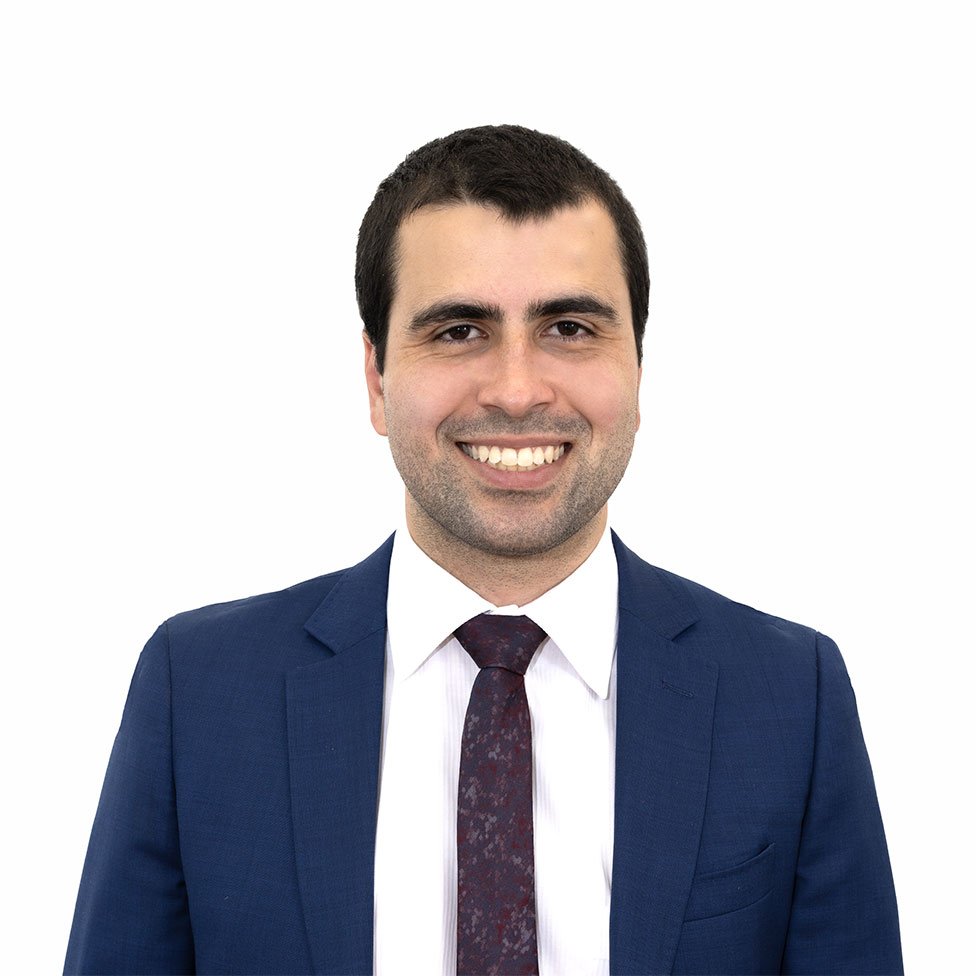
About the Author
Aaron FanousBachelor of Laws I Bachelor of Science I Graduate Diploma of Legal Practice I Admitted to the Supreme Court of NSW & the High Court of Australia
View profileAaron Fanous is a passionate senior lawyer that has worked with the firm for five years. He holds a Bachelor of Laws and a Bachelor of Science from the University of Wollongong and a Graduate Diploma of Legal Practice. Aaron delivers consistent successful outcomes for his clients. He continues the BSM tradition of meticulous preparation to ensure the best possible outcomes for his criminal clients. Aaron is a highly valued member of the Criminal defence team and has successfully acted for many clients with drink driving charges.